

Best Pediatrician in Noida – Dr. Vivek Goswami
Dr. Vivek Goswami is one of the most experienced and trusted pediatric healthcare experts dedicated to providing comprehensive medical care for newborns, infants, children, and adolescents. With over 18 years of experience, he has earned the confidence of thousands of parents through his compassionate approach, accurate diagnosis, and evidence-based treatment. He completed his MD in Pediatrics from the prestigious Lady Hardinge Medical College and Kalawati Saran Children’s Hospital, one of Asia’s leading pediatric institutions.
As a highly experienced Neonatologist in Noida, Dr. Vivek Goswami specializes in newborn care, childhood infections, developmental assessment, nutrition, adolescent health, preventive medicine, and emergency pediatric care. At In Good Hands Paediatric Care, he believes that every child deserves personalized medical attention in a comfortable and
child-friendly environment. His clinic is also well known for providing comprehensive Child Vaccination in Noida and preventive healthcare services that help children grow healthier and stronger. Families from Noida and nearby areas trust his expertise for complete pediatric and neonatal care.
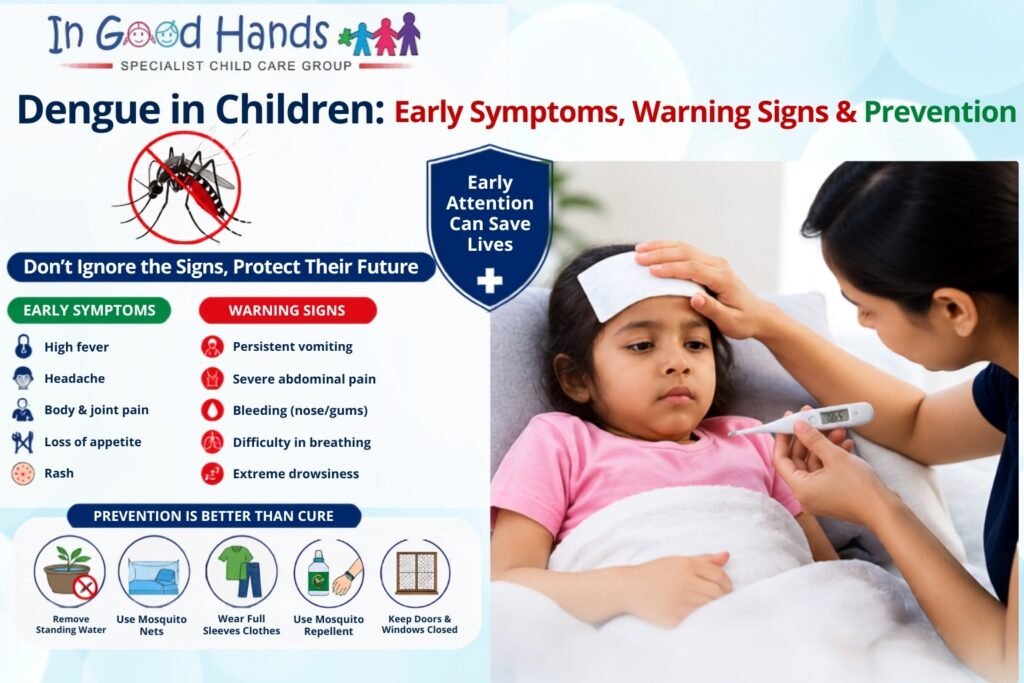
Dengue in Children: Early Symptoms, Warning Signs &Prevention
Best Pediatrician in Noida explains that dengue is one of the most common
mosquito-borne viral infections affecting children during the monsoon and post-monsoon seasons. As an experienced Child Specialist in Noida and Pediatrician in Noida, Dr. Vivek Goswami emphasizes that early diagnosis plays a crucial role in preventing serious complications. Although many children recover with timely medical care and proper hydration, delayed treatment can increase the risk of severe dengue, hospitalization, and life-threatening complications.
Dengue cases continue to rise every year because mosquitoes breed rapidly in stagnant water around homes, schools, parks, and construction sites. Children often cannot clearly explain their symptoms, making it difficult for parents to recognize the illness in its early stages. Understanding the warning signs, seeking prompt medical attention, and following preventive measures can significantly reduce the chances of severe illness. Every parent should know when a simple fever may actually indicate dengue and when immediate medical evaluation becomes essential.
What Is Dengue in Children and Why Is It Becoming More Common?
Dengue is a viral infection caused by the dengue virus and transmitted through the bite of an infected Aedes aegypti mosquito. Unlike seasonal flu or common viral fever, dengue can affect multiple organs and may become severe if not diagnosed early. During the rainy season, stagnant water collected in coolers, flower pots, buckets, tires, rooftop tanks, and construction sites creates ideal breeding conditions for mosquitoes, increasing the spread of infection.
Children are more vulnerable because their immune systems are still developing. Schools, playgrounds, and outdoor activities expose them to mosquito bites more frequently. As a leading Child Specialist in Noida, Dr. Vivek Goswami encourages parents to remain vigilant during mosquito season and never ignore persistent fever in children.
Why Should Parents Never Ignore Dengue Symptoms in Children?
Many parents initially assume that dengue is just another viral fever because both illnesses begin with similar symptoms. However, dengue has a unique pattern in which the fever may temporarily reduce after a few days before serious complications develop. This false sense of recovery often delays treatment.
Ignoring dengue symptoms may lead to complications such as:
- Severe dehydration
- Low platelet count
- Internal bleeding
- Dengue Hemorrhagic Fever
- Dengue Shock Syndrome
- Organ dysfunction
- Difficulty breathing
Children can deteriorate much faster than adults because they lose body fluids quickly and may not express their discomfort properly. Seeking medical advice at the right time can prevent these complications and improve recovery.
How Does Dengue Spread Among Children?
Many parents mistakenly believe that dengue spreads from one infected child to another. Fortunately, this is not true.
Dengue spreads only through the bite of an infected female Aedes mosquito. The transmission cycle includes:
- A mosquito bites an infected
- The virus multiplies inside the
- The infected mosquito bites another healthy
- The virus enters the bloodstream and causes
Dengue does not spread through:
- Touching
- Hugging
- Sharing food
- Coughing
- Sneezing
- Playing together
Understanding how dengue spreads helps parents focus on mosquito control rather than unnecessary isolation of infected children.
What Are the Early Symptoms of Dengue in Children?
Recognizing early symptoms can help parents seek treatment before complications develop. Most symptoms appear within four to ten days after the mosquito bite.
Common early symptoms include:
- Sudden high fever
- Severe headache
- Pain behind the eyes
- Muscle pain
- Joint pain
- Weakness
- Fatigue
- Loss of appetite
- Nausea
- Vomiting
- Skin rash
- Irritability
- Mild abdominal discomfort
Infants and younger children may not complain of pain but may become unusually sleepy, refuse feeds, cry continuously, or appear less active than usual.
Parents should avoid self-medication and consult a qualified pediatrician if fever continues beyond two days during dengue season.
Which Warning Signs of Severe Dengue Require Immediate Medical Attention?
Most children recover with proper medical care, but some may develop severe dengue that requires emergency hospitalization.
Parents should seek immediate medical attention if their child develops:
- Persistent vomiting
- Severe abdominal pain
- Continuous crying
- Extreme weakness
- Difficulty breathing
- Bleeding gums
- Nosebleeds
- Blood in vomit
- Blood in stools
- Cold hands and feet
- Restlessness
- Excessive drowsiness
- Reduced urine output
These warning signs may indicate Dengue Shock Syndrome, a serious medical emergency requiring immediate hospitalization.
Early consultation with the Best Pediatrician in Noida can help identify these complications before they become life-threatening.
Why Are Children More Vulnerable to Dengue Infection Than Adults?
Children have several physiological factors that make them more susceptible to dengue infection and its complications.
Developing Immune System
Since children’s immune systems are still developing, they may find it more difficult to fight viral infections effectively.
Higher Exposure to Mosquitoes
Children spend more time outdoors in parks, schools, playgrounds, and sports activities where mosquito exposure is greater.
Difficulty Describing Symptoms
Younger children often cannot explain symptoms like headache, dizziness, body pain, or abdominal discomfort, delaying diagnosis.
Rapid Dehydration
High fever, vomiting, poor appetite, and inadequate fluid intake can quickly lead to dehydration, making timely treatment even more important.
As an experienced Pediatrician in Noida, Dr. Vivek Goswami advises parents to monitor children closely during the rainy season, especially if fever is accompanied by weakness or vomiting.
How Is Dengue Diagnosed by the Best Pediatrician in Noida?
Early diagnosis helps doctors monitor the child closely and prevent severe complications before they occur.
Dr. Vivek Goswami follows a systematic approach for diagnosing dengue.
Detailed Medical History
The doctor carefully asks about:
- Duration of fever
- Mosquito exposure
- Appetite changes
- Vomiting
- Bleeding symptoms
- Previous dengue infection
- Recent travel history
Complete Physical Examination
A thorough examination includes checking:
- Body temperature
- Pulse rate
- Blood pressure
- Hydration status
- Skin rash
- Liver enlargement
- Signs of bleeding
Laboratory Investigations
Depending on the stage of illness, recommended investigations may include:
- Complete Blood Count (CBC)
- Platelet Count
- Hematocrit
- NS1 Antigen Test
- Dengue IgM Antibody Test
- Dengue IgG Antibody Test
- Liver Function Tests (if required)
These investigations help determine the severity of infection and guide further management. Early diagnosis also helps doctors identify children who require hospitalization and those who can safely recover at home under medical supervision.
What Is the Best Treatment for Dengue in Children?
There is currently no specific antiviral medicine that directly cures dengue. Treatment focuses on relieving symptoms, maintaining hydration, preventing complications, and carefully monitoring the child’s condition until recovery.
The treatment plan depends on the severity of the infection. Children with mild dengue are usually managed with adequate oral fluids, proper nutrition, sufficient rest, fever control using medicines prescribed by the doctor, and regular follow-up. However, children showing warning signs may require hospitalization for intravenous fluids, continuous monitoring, frequent blood tests, and supportive medical care.
Dr. Vivek Goswami also advises parents never to give aspirin or ibuprofen without medical advice, as these medicines can increase the risk of bleeding in children with dengue.
Can Dengue in Children Be Managed Safely at Home?
Many parents wonder whether dengue can be treated at home. The answer depends on the severity of the illness. Children with mild dengue who have no warning signs and are eating, drinking, and passing urine normally may recover at home under regular medical supervision. However, parents should never attempt self-treatment without consulting a doctor.
Home care focuses on keeping the child comfortable while preventing dehydration and monitoring for any signs of deterioration. Follow these recommendations:
- Encourage frequent intake of water, ORS, coconut water, soups, and fresh
- Offer light, nutritious meals in small
- Ensure your child gets adequate
- Give medicines only as prescribed by the doctor for
- Keep a record of fever, fluid intake, urine output, and overall
- Attend follow-up appointments and blood tests if
Parents should remember that platelet count alone does not determine the severity of dengue. Clinical symptoms and hydration status are equally important. If your child becomes unusually sleepy, refuses fluids, or develops any warning signs, seek immediate medical attention instead of continuing home treatment.
When Should Parents Visit the Best Pediatrician in Noida for Dengue?
Many parents delay visiting a doctor because they assume the fever will improve on its own. However, early medical evaluation can prevent complications and ensure appropriate treatment.
You should consult the Best Pediatrician in Noida if your child has:
- Fever lasting more than two days
- Persistent vomiting
- Severe body pain
- Poor appetite
- Excessive weakness
- Skin rash
- Difficulty drinking fluids
- Bleeding from gums or nose
- Severe abdominal pain
- Reduced urine output
Prompt consultation allows early diagnosis, timely investigations, and close monitoring, reducing the risk of severe dengue.
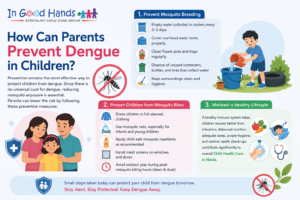
How Can Parents Prevent Dengue in Children?
Prevention remains the most effective way to protect children from dengue. Since there is no universal cure for dengue, reducing mosquito exposure is essential.
Parents can lower the risk by following these preventive measures:
Prevent Mosquito Breeding
- Empty water collected in coolers every
- Cover overhead water
- Clean flower pots and trays
- Dispose of unused containers, bottles, and tires that collect
- Keep surroundings clean and
Protect Children from Mosquito Bites
- Dress children in full-sleeved
- Use mosquito nets, especially for
- Apply child-safe mosquito repellents as
- Install mesh screens on windows and
- Avoid outdoor play during peak mosquito biting
Maintain a Healthy Lifestyle
A healthy immune system helps children recover better from infections. Balanced nutrition, adequate sleep, proper hygiene, and routine health check-ups contribute significantly to overall Child Health Care in Noida.
Which Foods and Fluids Help Children Recover Faster from Dengue?
Proper nutrition plays an important role during dengue recovery. While there is no specific food that cures dengue, a balanced diet supports healing and helps prevent dehydration.
Recommended foods include:
- Fresh fruits such as papaya, oranges, apples, and pomegranates
- Fresh fruit juices without excess sugar
- Coconut water
- Lemon water
- Homemade soups
- Khichdi
- Rice with dal
- Curd (if tolerated)
- Boiled vegetables
- Soft cooked eggs (if advised)
Children should also drink plenty of fluids, including:
- Water
- ORS
- Fresh juices
- Vegetable soups
- Coconut water Parents should avoid:
- Oily foods
- Junk food
- Carbonated drinks
- Highly processed snacks
- Excess sugary beverages
Maintaining hydration is one of the most important aspects of dengue recovery.
Can Good Child Health Care in Noida Reduce the Risk of Severe Dengue?
Absolutely. Preventive healthcare helps parents recognize illnesses early and seek timely treatment before complications develop.
Regular Child Health Care in Noida includes:
- Routine health check-ups
- Growth monitoring
- Nutritional assessment
- Developmental evaluation
- Seasonal illness guidance
- Parent education
- Preventive healthcare counseling
Children who receive regular pediatric care are more likely to receive timely medical attention when symptoms first appear, leading to better outcomes.
Why Is Child Vaccination in Noida Important Even Though There Is No Routine Dengue Vaccine?
Many parents ask whether dengue can be prevented through vaccination. Although dengue vaccines are available only in specific situations and are not routinely recommended for every child, maintaining the recommended immunization schedule remains extremely important.
Routine Child Vaccination in Noida protects children from several serious infectious diseases, strengthens overall health, and reduces the burden of preventable illnesses. Healthy children are generally better equipped to recover from seasonal infections and maintain stronger immunity.
Parents should ensure that:
- All routine vaccinations are up to
- Booster doses are received on
- Vaccination records are maintained
- Children attend regular preventive health
Discuss your child’s vaccination schedule with your pediatrician to ensure complete protection against vaccine-preventable diseases.
Why Choose Dr. Vivek Goswami – Best Pediatrician in Noida?
Choosing the right pediatrician is one of the most important decisions for every parent. Dr. Vivek Goswami has dedicated more than 18 years to providing compassionate,
evidence-based pediatric and neonatal care.
At In Good Hands Paediatric Care, parents receive comprehensive support for newborns, infants, children, and adolescents.
Dr. Vivek Goswami offers:
- Over 18 years of pediatric experience
- MD in Pediatrics from Lady Hardinge Medical College
- Senior Neonatologist in Noida
- Expertise in childhood infections and emergency care
- Personalized treatment plans
- Child-friendly consultation environment
- Growth and developmental monitoring
- Preventive healthcare guidance
- Comprehensive vaccination services
- Compassionate family-centered care
His approach focuses not only on treating illnesses but also on educating parents about disease prevention, nutrition, child development, and healthy lifestyles.
How Can Early Diagnosis Save Your Child from Severe Dengue Complications?
One of the biggest reasons children develop severe dengue is delayed diagnosis. Many parents wait until platelet counts begin to fall or severe symptoms appear before seeking medical help.
Early diagnosis offers several advantages:
- Faster medical intervention
- Better hydration management
- Prevention of severe dehydration
- Reduced risk of internal bleeding
- Early identification of warning signs
- Better monitoring of platelet count
- Lower chances of hospitalization
- Faster recovery
Recognizing symptoms early and consulting the Best Pediatrician in Noida can significantly improve your child’s recovery and reduce the risk of life-threatening complications.
Protect Your Child’s Health with Expert Pediatric Care
If your child has persistent fever, suspected dengue symptoms, or any warning signs that concern you, don’t delay medical evaluation. Early diagnosis and timely treatment are essential for a safe recovery.
Dr. Vivek Goswami, Best Pediatrician in Noida, at In Good Hands Paediatric Care, provides comprehensive pediatric evaluation, accurate diagnosis, compassionate treatment, and preventive guidance to help children recover safely and stay healthy.
Schedule a consultation to ensure your child receives timely and expert medical care.
Frequently Asked Questions (FAQs) – Best Pediatrician in Noida
1. What are the first symptoms of dengue in children?
The earliest symptoms include high fever, headache, body pain, weakness, vomiting, loss of appetite, skin rash, and pain behind the eyes. Parents should seek medical evaluation if fever persists for more than two days.
2. When should I consult the Best Pediatrician in Noida for dengue?
You should consult a pediatrician if your child has persistent fever, repeated vomiting, severe abdominal pain, unusual bleeding, excessive weakness, poor fluid intake, or difficulty breathing.
3. Can dengue be treated at home?
Mild dengue may be managed at home under medical supervision with adequate hydration, rest, nutritious food, and regular monitoring. Children with warning signs require immediate hospitalization.
4. How can a Child Specialist in Noida help manage dengue?
A pediatric specialist evaluates the severity of the illness, recommends appropriate investigations, monitors hydration and platelet count, identifies warning signs early, and provides personalized treatment to reduce complications.
5. Why is Child Vaccination in Noida still important during dengue season?
Although routine vaccination does not prevent dengue, keeping your child’s immunizations up to date protects against many serious infectious diseases and supports overall health and immunity.
6. Can infants also get dengue?
Yes. Infants can develop dengue and may show symptoms such as poor feeding, irritability, excessive sleepiness, or persistent fever. Immediate medical evaluation is recommended.
7. Does every child with dengue require hospitalization?
No. Many children with mild dengue recover safely at home under medical supervision. Hospital admission is required only if warning signs or severe symptoms develop.
8. Why choose Dr. Vivek Goswami for pediatric dengue care?
With more than 18 years of experience, advanced pediatric expertise, compassionate care, and a family-centered approach, Dr. Vivek Goswami provides comprehensive diagnosis, treatment, preventive guidance, and long-term child healthcare for families in Noida.
Conclusion – Best Pediatrician in Noida
Dengue is a serious viral infection, but timely recognition and appropriate medical care can make a significant difference in a child’s recovery. Parents should never ignore persistent fever, vomiting, severe weakness, abdominal pain, or unusual bleeding during dengue season. Understanding the early symptoms, recognizing warning signs, and following preventive measures are the best ways to protect children from severe complications.
With timely consultation, proper hydration, regular monitoring, and expert pediatric care, most children recover completely from dengue without long-term health problems. If your
child develops symptoms suggestive of dengue, seek professional medical advice without delay.